Dongyin is the northernmost township of Taiwan, a small granite island in the East China Sea. It has no airport. If you want to go, you go the old way — by sea.
東引是台灣最北的鄉,一座東海上的花崗岩小島。它沒有機場。想去,就走老路——搭船。
The Night Ferry
夜船
From Taipei it starts simply: a train to Keelung, about forty-five minutes, and the West Passenger Terminal waiting across from the station. Boarding begins at 9:30 in the evening; the ship sails at 10:50.
從台北出發很簡單:搭火車到基隆,約四十五分鐘,西岸旅客碼頭就在車站對面。晚上九點半開始登船,十點五十分開航。
The ship changes its route with the calendar. On even-numbered dates — the 2nd, the 4th, the 6th — it sails to Dongyin first, eight hours across open water. On odd-numbered dates it goes to Nangan first, and Dongyin waits a few hours more. This trip took an even date: you find your bunk, pull the curtain, and the ship rocks you to sleep like a cradle with an engine.
這艘船的航線跟著日期換。雙日(2號、4號、6號)先到東引,八小時直達;單日先到南竿,東引要多等幾個小時。這一趟搭的是雙日:找到臥鋪,拉上簾子,船像裝了引擎的搖籃,搖你入睡。
The ship has a name: Tai-Ma Star — the Star of Taiwan and Matsu. She is no cruise liner; she is the islands’ lifeline, carrying passengers in bunk beds, cars and trucks below deck, and half of Matsu’s mail and vegetables along with them.
這艘船有名字:臺馬之星——台灣與馬祖之星。她不是豪華郵輪,她是離島的生命線:載著臥鋪裡的乘客、甲板下的車輛,還有馬祖一半的郵件和蔬菜。
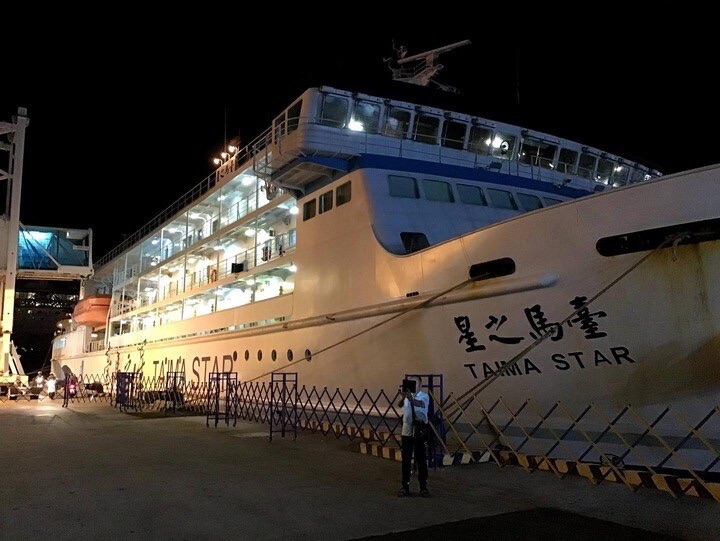
The night on board has its own small pleasures. Stand on deck as Keelung’s lights slide away and the coast goes dark. Then find your bunk — a bamboo mat, a pillow, a curtain of your own — and read while the engine hums under the floor.
船上的夜晚有它的小樂趣。站在甲板上,看基隆的燈火滑走、海岸沉入黑暗。然後回到你的臥鋪——一張竹蓆、一個枕頭、一片自己的簾子——聽著地板下引擎的低鳴看書。
Out past the harbor mouth, the swell finds its rhythm, and the whole ship breathes with it. Old hands give one piece of advice: lie down early and let the sea do the rocking. Stay on deck after a big dinner to argue with the Taiwan Strait, and the strait wins.
出了港嘴,湧浪找到它的節奏,整艘船跟著呼吸。老手只給一句建議:早點躺下,讓海來搖你。若吃飽了還在甲板上跟台灣海峽理論,海峽會贏。
Day 1. First Light
第一天:晨光
At half past six the ship slides into Zhongzhu Harbor. On the pier stands the island’s greeter, a giant stone fish — every visitor takes the same photograph, and so do you.
清晨六點半,船滑進中柱港。碼頭上站著迎賓的巨魚石雕——每個旅人都拍同一張照片,你也不例外。
Rent a scooter at the harbor and ride up to the lighthouse while the light is still soft. The Dongyong Lighthouse has stood on this cliff since 1904, white walls and a blue top, designed by British engineers. Islanders call it the Dongyin Villa, and from its path the whole northeast coast opens up.
在港口租台機車,趁晨光還軟,騎上燈塔。東湧燈塔1904年就站在這片峭壁上,白牆藍頂,英國工程師設計。島民叫它「東引別墅」,從它的小徑望出去,整個東北海岸都展開了。
Below the lighthouse the coast turns dramatic: a gorge cut straight through the rock, two cliffs joined by a small bridge — Yixiantian, One-Line Sky. Stand on the bridge and the surf booms far below; look up and the sky is a single bright line.
燈塔下方的海岸轉趨壯烈:一道海蝕溝切穿岩壁,兩崖之間一座小橋——一線天。站在橋上,浪聲在腳下轟鳴;抬頭,天空只剩一條亮線。
Not far away, a cliff drops a hundred meters into a narrow bay. This is the Martyred Maiden’s Pit, where legend says a fisherman’s widow, cornered by pirates, chose the sea over surrender. The wind up there makes the story easy to believe.
不遠處,一座海蝕崖直落百公尺深的窄灣。這是烈女義坑,傳說漁民之妻被海盜逼到絕境,寧可投海也不屈服。站在崖邊的風裡,這故事很容易相信。
Lunch is Matsu on a plate: fish noodles, laojiu mianxian — rice noodles in old wine — and, in summer, the island’s famous mussels, fat and sweet from the cold currents. In the afternoon, stop at the distillery, where Dongyin’s aged kaoliang rests in the sea air.
午餐是盤子裡的馬祖:魚麵、老酒麵線,還有夏天才有的淡菜,寒流養出的肥美鮮甜。下午去酒廠走走,東引的陳年高粱就在海風裡沉睡。
End the day on the causeway. The road runs straight across the water to Xiyin, past the Gratitude Pavilion, the sea on both sides, and the sun goes down over Zhongzhu Harbor like it has nowhere else to be.
一天的結尾留給中柱堤道。筆直的路跨海通往西引,經過感恩亭,兩邊都是海;夕陽沉入中柱港,像它哪裡也不趕著去。
Day 2. Tunnels and the Northern Edge
第二天:坑道與北疆
The morning belongs to Andong Tunnel. Dug through Mount Erchong in the 1970s, it runs 300 meters inside the mountain — barracks, a commander’s office, gun ports aimed at the sea. Today the gun ports are windows, and the gulls have taken the best positions. Count the steps on the way back up: 464. Everyone counts.
上午屬於安東坑道。1970年代鑿穿二重山,坑道在山腹裡延伸三百公尺——營房、連長室、朝海的砲口。如今砲口成了觀景窗,海鷗佔了最好的位子。回程數一數階梯:464階。每個人都會數。
On the way, listen for Yanshou Chaoyin, the tide singing through a crack in the rocks, and stop at Taibai Tiansheng, where a giant boulder keeps watch over the fog. In spring the whole coast plays hide-and-seek in the mist.
路上留意燕秀潮音,潮水穿過岩縫的回聲;再停太白天聲,巨石守著霧海。春天,整片海岸都在霧裡捉迷藏。
In the afternoon, cross to Xiyin and walk to the viewing platform at the country’s northern edge. A stone tablet says it plainly: The Northern Frontier. Six hundred meters out, the reef Beigu Jiao appears and disappears with the tide — Taiwan’s true northernmost point, there only when the sea allows.
下午跨到西引,走到國境之北的觀景台。石牌寫得很直白:「國之北疆」。六百公尺外的北固礁隨潮汐隱現——那是台灣真正的最北端,海點頭,它才出現。
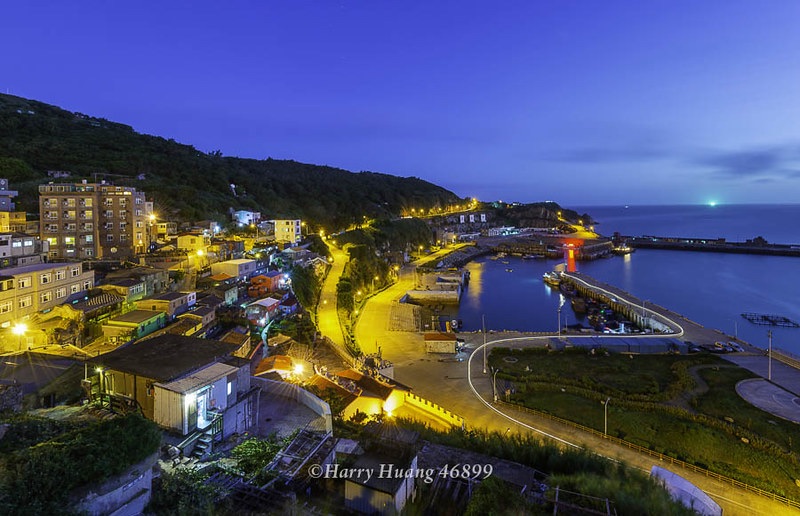
Dongyin has almost no light pollution. After dinner, the harbor lights shrink to a handful, and the sky does the rest. Sit anywhere. Look up. This is the show the island puts on for free.
東引幾乎沒有光害。晚餐後,港口的燈縮成一小把,剩下的天空全包了。隨便坐,看著天。這是島上免費的表演。
Day 3. The Slow Way Home
第三天:慢船回家
There is no schedule to keep on the last morning — the ship keeps it for you. A slow breakfast, a bowl of laojiu mianxian, and one last walk down to Zhongcheng Gate, where a soldier statue named A-Rong has stood guard since 1974 and, as the joke goes, can never retire.
最後一個早晨不用趕行程——船替你趕。慢慢吃早餐,來碗老酒麵線,再散步到忠誠門:阿兵哥阿榮從1974年站崗至今,笑話說,他永遠不能退伍。
Boarding is late morning on a Dongyin-first rotation. The ship pulls out past the stone fish, the lighthouse shrinks, and for the next hours there is only water, wind, and the long wake behind you.
先東航次的回程在近午登船。船駛出港口,經過夢幻魚,燈塔越來越小;接下來幾個小時,只有海水、海風,和身後長長的尾跡。
By early evening the ship is back in Keelung. A train, a short ride, and Taipei receives you with its noise and its lights. Three days away, and the city feels louder than you left it — or you have simply learned to hear the quiet.
傍晚,船回到基隆。一班火車,一小段路,台北用它的噪音和燈光迎接你。才離開三天,城市好像比走時更吵了——也許只是你學會了聽見安靜。
Dongyin is not on the way to anywhere. The ferry is not just how you get there; it is part of the trip — a night of rocking, a dawn arrival, and a slow sail home. Sail north. Slow down.
東引不在去任何地方的路上。船不只是交通工具,它是旅程的一部分——一夜搖晃,一個清晨抵達,一趟慢船回家。向北航行,慢下來。
Good to Know
出發前筆記
Odd days and even days sail in different orders — Nangan first, or Dongyin first — and the arrival and departure times change with the order. Check the rotation before you book.
單日、雙日的航行順序不同——先南竿或先東引——到離時間也跟著變。訂票前先確認航序。
The ferry rests on Tuesdays for maintenance, and rough winter seas can cancel sailings. Leave a buffer day if you can, and book bunks ahead in summer.
船班週二停航保養,冬季風浪大也可能停航。行程留一天彈性,夏天臥鋪先訂。
There is no airport and no shortcut. That is not the island’s weakness. That is the island.
這裡沒有機場,沒有捷徑。那不是東引的缺點,那是東引本身。