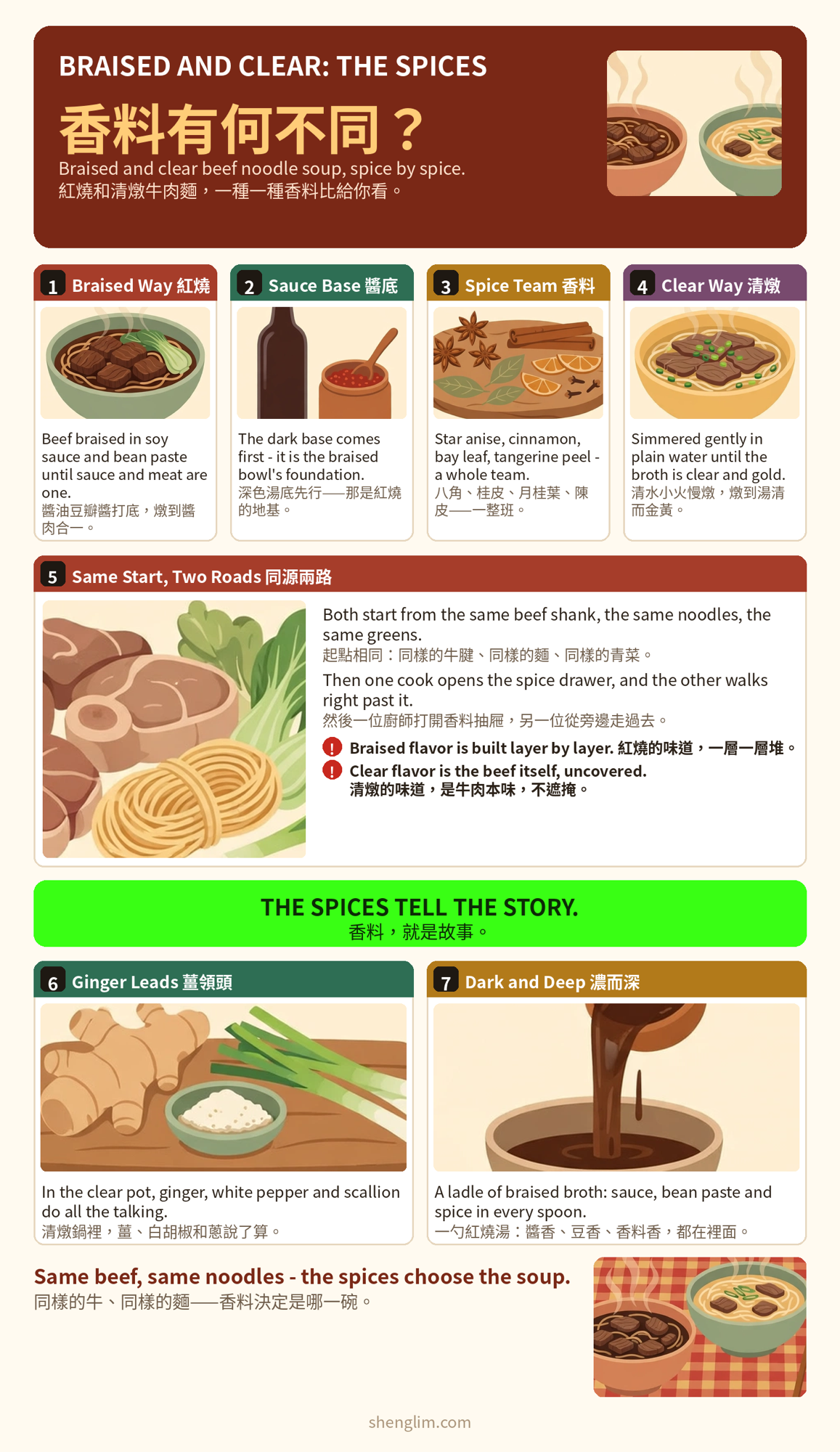
Same beef, same noodles — so why do Taiwan’s two great bowls taste nothing alike? The answer sits in the spice drawer.
同樣的牛肉、同樣的麵條——為什麼台灣的兩大碗麵,味道完全不一樣?答案就在香料抽屜裡。
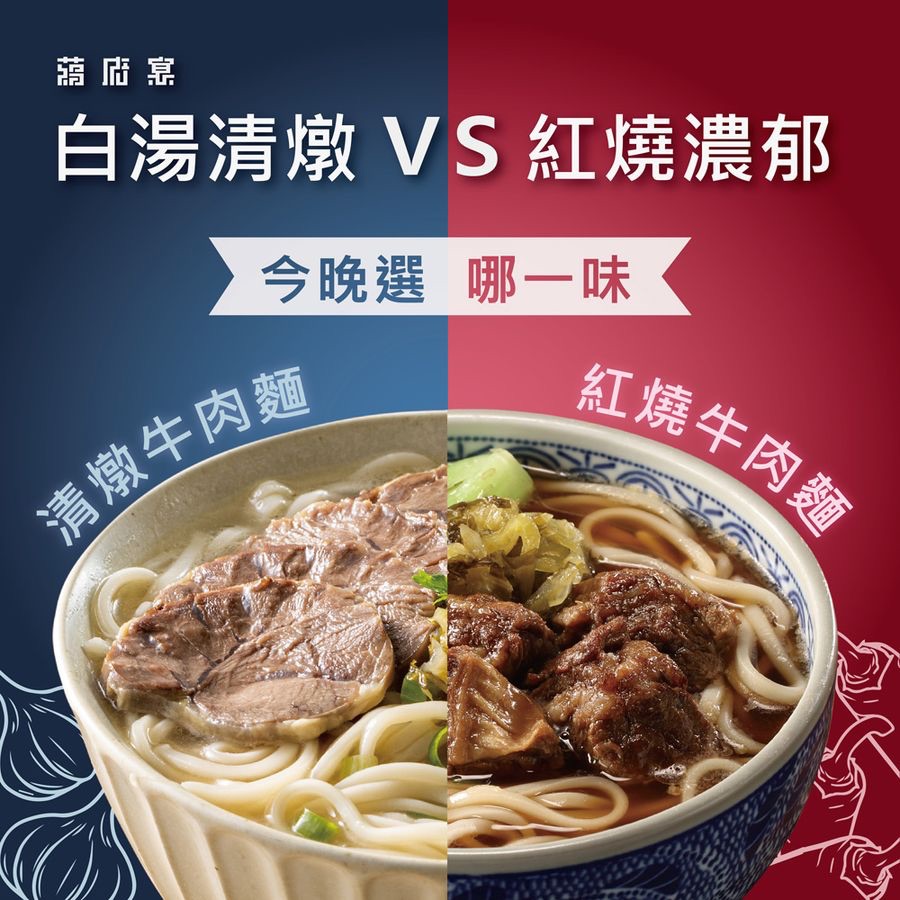
The Braised Way
紅燒的做法
The braised way builds flavor in layers. The beef cooks in a dark base of soy sauce and spicy bean paste, simmering until the sauce and the meat become one thing.
紅燒的做法,是把味道一層一層堆起來。牛肉在醬油和辣豆瓣醬的深色湯底裡燉,燉到醬和肉合成一體。
Its spice team is the signature: star anise leads the braising aroma, cinnamon adds warmth, bay leaf brings a herbal note, and dried tangerine peel cuts the grease. Some cooks also add Sichuan pepper, tsaoko, or one or two cloves for depth.
它的香料班就是簽名:八角是滷香的主角,桂皮添溫暖,月桂葉帶草本香,陳皮解油膩。有些師傅還加花椒、草果,或一兩顆丁香增加深度。
The result is dark, rich, and warming — the bowl most of Taiwan’s famous noodle shops are known for.
成品顏色深、味道濃、吃起來暖——台灣有名的牛肉麵店,大多是這一碗。
The Clear Way
清燉的做法
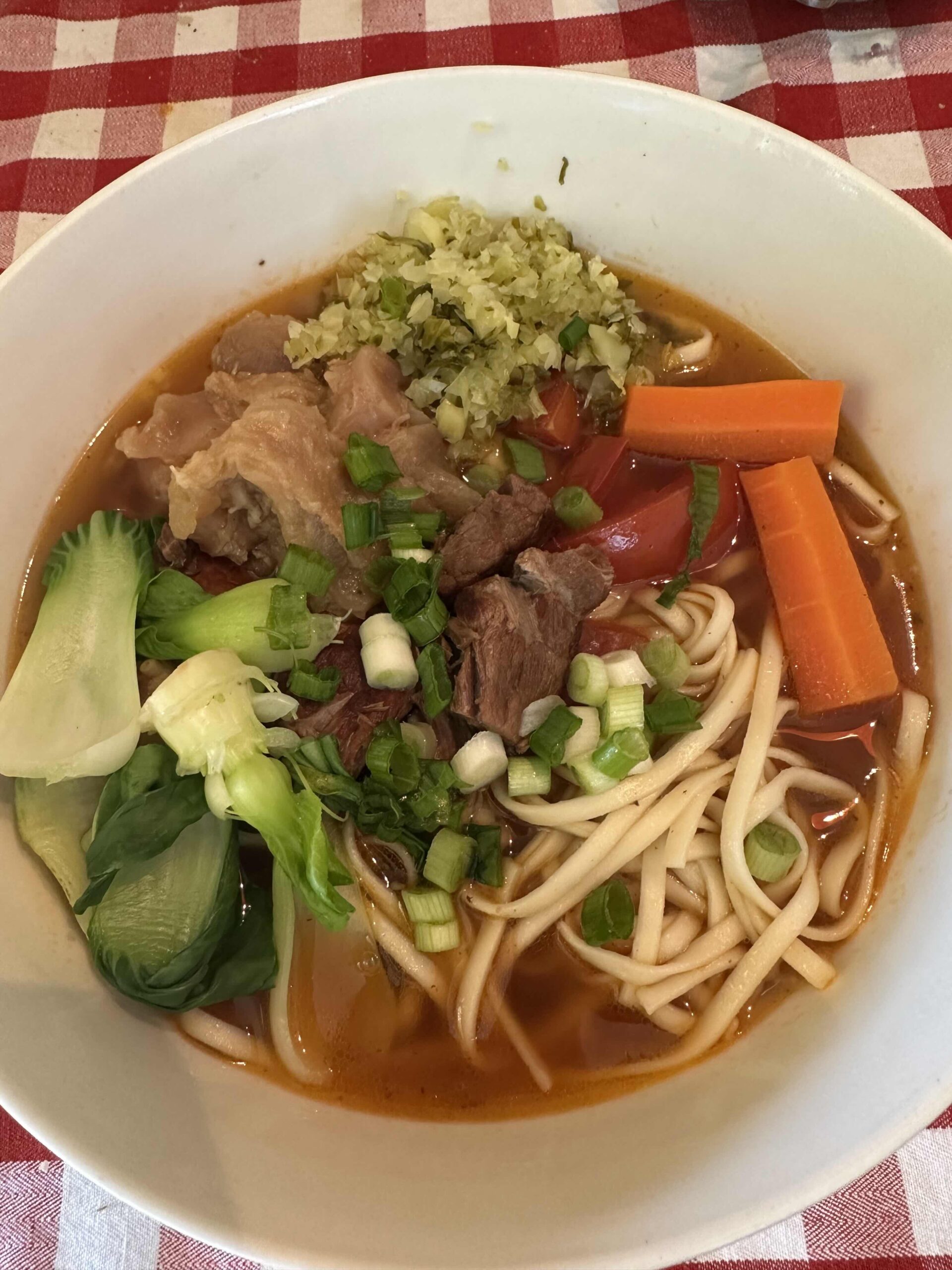
The clear way does the opposite: instead of adding flavor, it takes the noise away. The beef is blanched clean, then simmered gently in plain water until the broth runs clear and golden — nothing in the pot is allowed to cloud it.
清燉的做法正好相反:不是加味道,是把雜味拿掉。牛肉先汆燙洗淨,再用清水小火慢燉,燉到湯清而金黃——鍋裡不許有任何東西讓湯濁掉。
Its spice list is almost empty, on purpose: ginger to clean the taste, white pepper for gentle warmth, scallion for freshness. A bay leaf or a piece of tangerine peel, sometimes. Many recipes use no star anise at all — and cloves stay out completely.
它的香料表幾乎是空的,而且是故意的:薑去腥、白胡椒給溫和的暖意、蔥段給清香。偶爾一片月桂葉或一塊陳皮。很多配方連八角都不放——丁香更是完全不碰。
With nothing to hide behind, the beef itself has to be good. The clear bowl tastes of one thing: beef, being sweet.
沒有任何東西可以躲,牛肉本身一定要好。清燉的碗裡只有一個味道:牛肉,帶著清甜。
The Fork in the Road
分岔口
Same shank, same noodles, same bok choy. Then the braised cook reaches for the spice drawer, and the clear cook walks right past it. That one decision makes two different soups.
同樣的牛腱、同樣的麵、同樣的青江菜。然後,紅燒的廚師伸手去拿香料抽屜,清燉的廚師從抽屜旁邊走過去。就這一個決定,做出兩種湯。
And neither one is the “real” beef noodle soup. Taiwan has argued happily about this for decades — usually with a bowl in each hand.
而且哪一種都不是「正宗」的牛肉麵。台灣為了這個問題開心地吵了幾十年——通常是一手端著一碗。
Both bowls, side by side — this table is in Chinese only.
兩碗並排看——這個表,只用中文。
| 項目 | 紅燒 | 清燉 |
|---|---|---|
| 做法哲學 | 一層一層把味道堆起來 | 把雜味拿掉,只留牛肉的清甜 |
| 湯底 | 醬油+辣豆瓣醬的深色湯底 | 清水小火慢燉,湯清而金黃 |
| 主力香料 | 八角、桂皮、月桂葉、陳皮 | 薑、白胡椒、蔥段 |
| 八角 | 滷香的主角,簽名所在 | 很多配方完全不放 |
| 丁香 | 1到2顆當客人,多了會變藥材味 | 完全不邀請 |
| 其他香料 | 花椒、草果增加深度;小香料裝滷包袋,入味後取出 | 偶爾一片月桂葉或一塊陳皮;沒有東西需要裝袋 |
| 成品味道 | 顏色深、味道濃、吃起來暖 | 清、鮮、只有牛肉的清甜 |
| 對牛肉的要求 | 醬和肉合成一體 | 無處可躲,牛肉本身一定要好 |
Good to Know
須知
About cloves: in a braised pot they are a guest — 1 to 2 whole cloves for 2 to 3 lbs of beef, never more, or the soup turns medicinal. In a clear pot, they are not invited at all.
關於丁香:在紅燒鍋裡它是客人——2 到 3 磅牛肉放 1 到 2 顆,不能再多,否則湯會有藥材味。在清燉鍋裡,它根本不受邀請。
In the braised pot, the small spices ride in a spice bag: they flavor the broth, then leave. In the clear pot, there is nothing to bag.
紅燒鍋裡的小香料裝進滷包袋:給湯香氣,然後離開。清燉鍋裡,沒有東西需要裝袋。
Our own kitchen cooks the braised way — Mama Chang’s pot from yesterday’s post, star anise only. The clear way is still on our list to try.
我們家廚房做的是紅燒——昨天那篇的張媽媽版本,只用八角。清燉還在我們的待試名單上。